.png)
Why Cookbooks Matter - The Case for a Physical Book in a Virtual World

It's a Sunday afternoon. The week hasn't even started, and I'm already tired of cooking dinner. Work, homework, after-school activities, doctor's appointments. We've got something every night this week, and dinner still has to happen. Food consumed. And today, I still have to buy the groceries.
I pull a cookbook off the shelf and flip through the pages. I'm dreaming. Italy Tuesday? Mexico Thursday would be incredible. But honestly, I'm dying for Greece tomorrow.
The kids will complain about whatever I make anyway. It might as well be something I want to cook, right?
This is what cookbooks do for me. They bring inspiration and joy. They are possibilities.
My collection has grown a lot in the six years since I bought my first one. So many, in fact, that we eventually installed built-ins in our dining room. Transformed by a trip to Guatemala? Better get a cookbook. Dreaming of Morocco? Better get a cookbook. A pretty cover caught my eye in the new releases? Better get a cookbook.
There's so much content out there telling you where to eat when traveling. Top-rated lists, TikTok trends, the idea that "we only have a few meals here, we better make them count!" That's what guided our trip planning. We couldn't miss the donut shop everyone on TikTok was filming. At some point, we realized we were putting too much pressure on ourselves to find the perfect spots instead of paying attention to the dishes that actually make a place special.
A couple of years ago, our planning shifted. We started researching the dishes we wanted to try. We'd land in a new city with a list in hand, but this time it was food-focused, not restaurant-focused. The vibe of a restaurant pulled us in, but the dish was the goal.
This is the logic cookbooks have been using all along.
For me, cookbooks have three tenses. The future tense is the trips I'm dreaming about. That shelf of Latin American cookbooks is my bucket list. The past tense is the memories of the trips I've taken and the food that left a mark. They are souvenirs on the shelf I can pull out whenever I want to relive the moment. And the present tense is simpler: I live in a small city with limited food diversity, and if I want good Moroccan food, I have to make it myself.
A cookbook teaches you about a culture differently than a food tour or a menu. The author tells you the why. Maybe it’s their grandmother's kitchen, or what they discovered about their own culture. A menu can't do that, and a blog post rarely goes that deep.
One of my favorite cookbooks, Mi Cocina by Rick Martinez, details his two-year road trip through Mexico to better understand his family's roots. Along the way, he writes about the regional differences: how tortillas change from northern to southern Mexico, the chiles that make Oaxaca's mole so distinct. His cookbook, like so many others, is a story collection that happens to come with food. A window into what it's really like to live somewhere, in a way you wouldn't get otherwise.
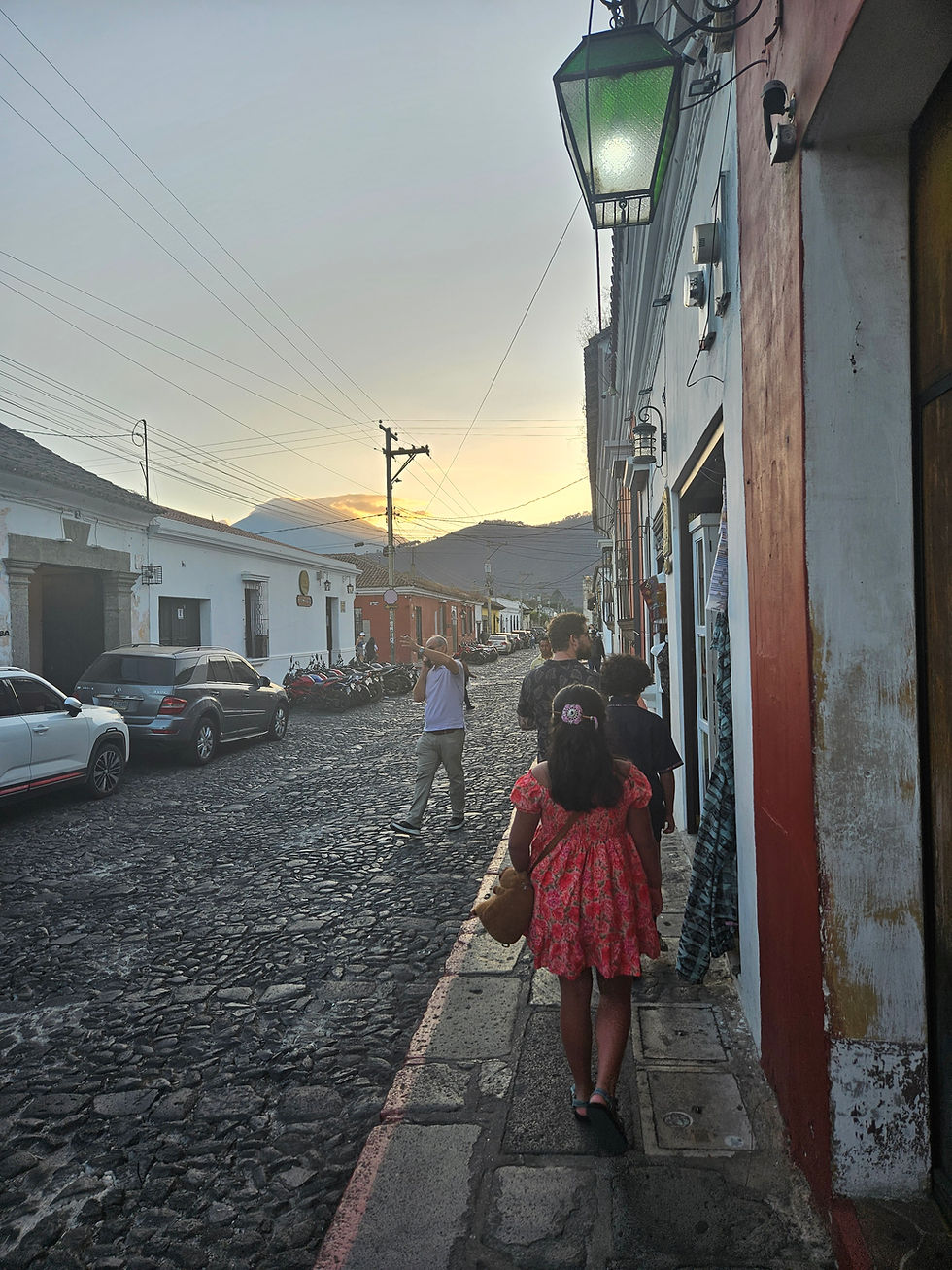
Rick Martinez understood his culture by tasting foods throughout Mexico. And food has been the primary way my family and I have learned about and connected with the places we’ve visited. In 2025, during a trip to Guatemala, we took a cooking class that deepened our understanding of the Mayan people and the land we were visiting. We learned the story of a culture through ingredients and traditions. It changed how we plan our trips and how we bring that knowledge back home with us through the cookbooks on our shelf.
A year ago, I started a cookbook book club in my town. We're a group of women (for now!) who pick a new cookbook each month, each choose a recipe or two, and come together for a potluck dinner. We're different ages, backgrounds, and skill levels, and it's become the highlight of our month. It's where we try the dishes we'd never make for our families. You'll hear someone say, "I never would have thought to put anchovies in here!" or "I knew my family wouldn't try the beef tongue, but you guys would!" It got me thinking: why keep this small?
That's the whole bet of The Edible Itinerary. A recipe can be a small act of empathy. Dinner, even a Sunday-afternoon, kids-will-complain-anyway dinner, can be a doorway to a place you've been, a place you're dreaming about, or a place you may never get to.
Food builds familiarity, and familiarity, over time, is how empathy gets started. That’s the work I want cookbooks to do.
I'd love for you to cook through this year with me. Pull up a chair.
P.S. If you join me here, each month I'll pick one cookbook that highlights the food of a specific region or country. I'll announce the title a month in advance, along with the specialty ingredients you'll want to track down ahead of time (think hard-to-find spices and pantry staples). Then we'll cook one recipe together each week, here on Substack and across social, talking through the history, the cultural context, and the ingredients themselves. The fourth week is for stepping back: what we loved, what surprised us, what we want to make again. I'm also planning other content along the way, like actual edible itineraries: the dishes to seek out when you travel, and where to find them.


Comments